Bundle Eligible Projects and Save
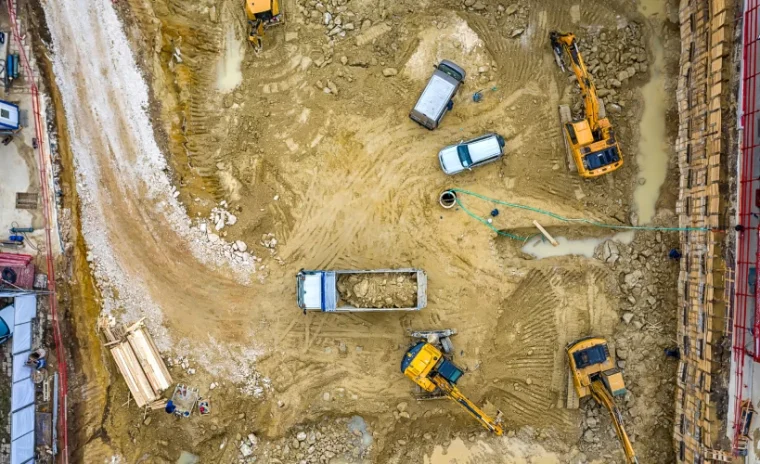
Meaning Excavation: What This Construction Term Really Involves
Construction projects often begin long before concrete is poured or buildings start taking shape. One of the first and most important steps is excavation. If you’ve searched for the meaning excavation, you’re likely wondering what this process involves and why it’s such a critical part of construction.
Excavation is much more than digging a hole. It is a carefully planned process that prepares land for foundations, utilities, drainage systems, roads, landscaping, and countless other construction projects. Every successful build depends on stable, properly prepared ground, making excavation one of the most important phases of any project.
Whether you’re building a new home, installing underground utilities, or preparing land for commercial development, understanding excavation helps you appreciate why experienced professionals are essential.
What Is the Meaning Excavation?
The meaning of excavation refers to the process of removing, moving, or reshaping soil, rock, or other materials to prepare a site for construction or infrastructure improvements.
Excavation can involve:
- Digging foundations
- Creating trenches for utility lines
- Leveling uneven land
- Removing unsuitable soil
- Preparing building pads
- Installing drainage systems
- Clearing space for roads and driveways
- Excavating ponds and retention areas
Every excavation project is carefully planned to achieve the correct depth, slope, and soil conditions required for the next stage of construction.
How Professionals Define Excavation
When construction professionals define excavation, they describe it as the controlled removal of earth using specialized equipment and proven techniques to create safe, stable conditions for construction.
Unlike simple digging, excavation requires detailed planning that considers:
- Soil composition
- Property boundaries
- Underground utility locations
- Drainage requirements
- Environmental conditions
- Equipment access
- Safety regulations
Excavation contractors evaluate these factors before any equipment arrives on the job site to minimize risks and prevent costly delays.
Why Excavation Is Important in Construction
Understanding excavation in construction helps explain why this step cannot be skipped or rushed.
The ground beneath every building provides structural support. If the site is not properly prepared, problems can develop long after construction is complete.
Professional excavation helps:
1. Create Stable Foundations
Buildings rely on properly compacted soil to support their weight. Excavation removes unstable materials and prepares a solid base for foundations.
2. Improve Drainage
Proper grading directs water away from structures, reducing the risk of erosion, flooding, and foundation damage.
3. Install Underground Utilities
Water lines, sewer systems, electrical conduits, gas lines, and communication cables all require carefully excavated trenches.
4. Prepare Building Sites
Excavation creates level work areas that allow builders to construct homes, commercial buildings, garages, retaining walls, and other structures accurately.
Without proper excavation, every stage of construction becomes more difficult.
Common Types of Excavation
Excavation is not a one-size-fits-all process. Different projects require different techniques depending on the site’s conditions and construction goals.
1. Foundation Excavation
This type of excavation creates space for footings, crawl spaces, and building foundations.
2. Trench Excavation
Narrow trenches allow contractors to install underground utility lines such as water, sewer, gas, and electrical systems.
3. Site Excavation
Entire construction sites may require grading, leveling, or reshaping before work begins.
4. Basement Excavation
Homes with basements require deeper excavation to accommodate living space below ground level.
5. Drainage Excavation
Drainage systems help manage stormwater and reduce standing water around structures.
6. Roadway Excavation
Road construction often involves removing large amounts of soil to establish proper grades and stable roadbeds.
Each project requires careful planning to ensure the excavation supports the intended construction.
What Does an Excavating Company Do?
Many property owners ask, what does an excavating company do beyond simply operating heavy equipment.
Professional excavation contractors provide a wide range of services that support residential, commercial, agricultural, and municipal projects.
Typical services include:
- Site preparation
- Land clearing
- Grading and leveling
- Foundation excavation
- Trenching for utilities
- Drainage installation
- Demolition preparation
- Driveway preparation
- Pond excavation
- Erosion control
- Soil removal and hauling
- Backfilling and compaction
Experienced excavation companies also coordinate with engineers, surveyors, utility providers, and other contractors to keep projects moving efficiently.
Equipment Used During Excavation
Modern excavation relies on specialized machinery designed for different tasks.
Common equipment includes:
1. Excavators
Excavators use hydraulic arms and buckets to dig foundations, trenches, and large holes.
2. Bulldozers
Bulldozers push soil, clear vegetation, and reshape large areas of land.
3. Skid Steers
Compact skid steers work well in smaller spaces where larger machines cannot easily operate.
4. Backhoes
Backhoes combine digging and loading capabilities, making them versatile for many residential projects.
5. Dump Trucks
Dump trucks transport excavated soil, rock, and debris away from the site.
Using the right equipment improves efficiency while minimizing unnecessary disturbance to the surrounding property.
Excavation Safety Matters
Every excavation project involves potential hazards, making excavation safety one of the highest priorities on any job site.
Excavation accidents can result from:
- Trench collapses
- Underground utility strikes
- Equipment rollovers
- Falling materials
- Unstable soil conditions
- Poor site planning
Professional contractors follow established safety practices that protect workers, nearby structures, and surrounding utilities.
Important safety measures include:
- Locating underground utilities before digging
- Inspecting soil conditions
- Using trench protection systems when required
- Maintaining safe equipment operation
- Monitoring weather conditions
- Following local safety regulations
- Conducting regular site inspections
Safety planning not only protects workers but also helps prevent costly project delays.
Factors That Affect Excavation Projects
Every property presents unique challenges that influence the excavation process.
Some of the most common factors include:
1. Soil Conditions
Rocky soil, clay, sand, and loose fill all require different excavation techniques.
2. Site Accessibility
Limited access may require smaller equipment or additional planning.
3. Weather
Heavy rain can affect soil stability and project schedules.
4. Existing Utilities
Underground water, sewer, gas, and electrical lines must be identified before excavation begins.
5. Project Size
Larger commercial developments require more extensive excavation planning than smaller residential projects.
Experienced excavation contractors evaluate these conditions before work begins to develop an efficient plan.
Why Experience Makes a Difference
Excavation affects every phase of construction that follows. Small mistakes made during site preparation can create expensive problems later.
Experienced professionals understand how to:
- Read grading plans
- Maintain proper elevations
- Prevent drainage issues
- Protect surrounding structures
- Handle changing soil conditions
- Operate equipment efficiently
- Complete projects according to schedule
Their knowledge helps reduce the risk of delays, unexpected repairs, and structural issues.
Choosing the Right Excavation Contractor
Hiring a qualified excavation contractor helps ensure your project starts on the right foundation.
When comparing contractors, consider:
- Years of experience
- Licensing and insurance
- Equipment capabilities
- Project portfolio
- Safety practices
- Customer reviews
- Knowledge of local regulations
- Clear communication throughout the project
A reliable contractor will explain the excavation process, answer your questions, and provide a realistic project timeline before work begins.